









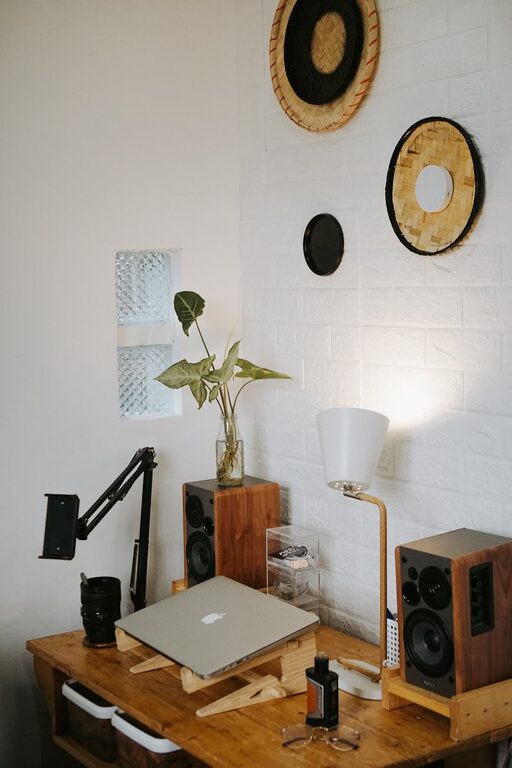
Working from home has become a widespread reality for many people, making the home office more important than ever. A cozy and inviting workspace can boost creativity, focus, and overall well-being. Whether you have a small corner or a dedicated room, designing your home office to feel comfortable and inspiring is a worthwhile investment. In this guide, we’ll share practical tips to help you create a warm, welcoming, and efficient home office environment.
1. Choose the Right Location
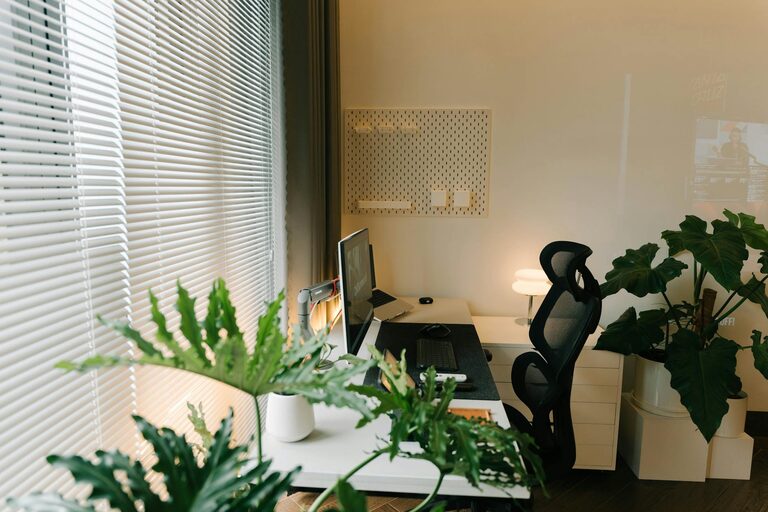
Finding the right spot for your home office is the first step. Ideally, this should be a quiet area away from the main living spaces to minimize distractions. If possible, choose a space near a window to benefit from natural light and a view outside. Natural light helps reduce eye strain and boosts mood, which are essential for long work sessions.
If a separate room isn’t available, designate a specific corner or nook just for work. Make sure your workspace is clearly defined, so you can mentally separate work from leisure.
2. Invest in Comfortable and Functional Furniture
Your furniture choices impact both comfort and productivity. Start with a good-quality ergonomic chair that supports your posture, helping you avoid back or neck pain. Choose a desk that fits your space and has enough surface area for your computer, notebook, and other essentials.
Consider options with adjustable heights if you want to alternate between sitting and standing. Keeping your computer monitor at eye level prevents strain on your neck and shoulders.
3. Optimize Lighting for Comfort and Mood
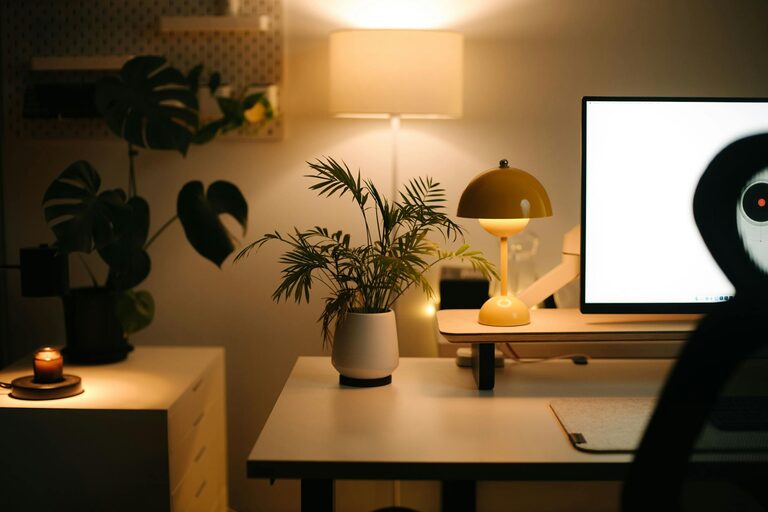
Lighting plays a vital role in how inviting and cozy your workspace feels. Utilize a combination of natural and artificial light. Besides the overhead room lighting, add task lighting such as a desk lamp with adjustable brightness.
Warm, soft light bulbs create a relaxing atmosphere, while cooler tones help keep you alert. Avoid harsh glare or flickering lights that can cause discomfort.
4. Personalize Your Space
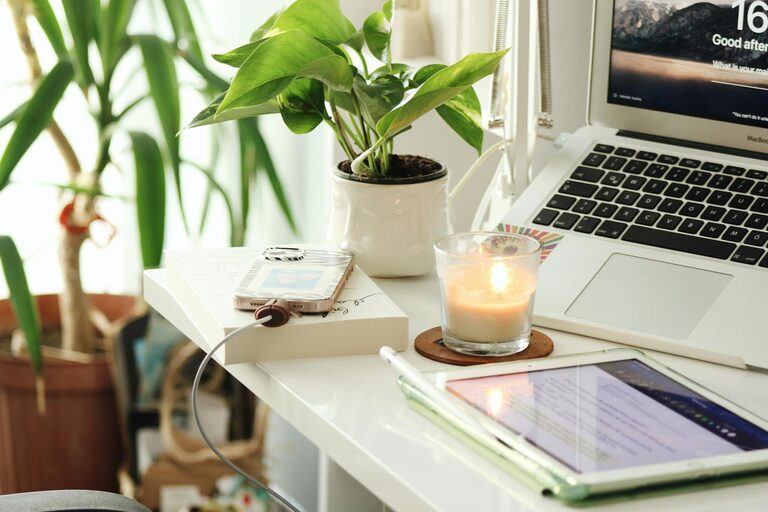
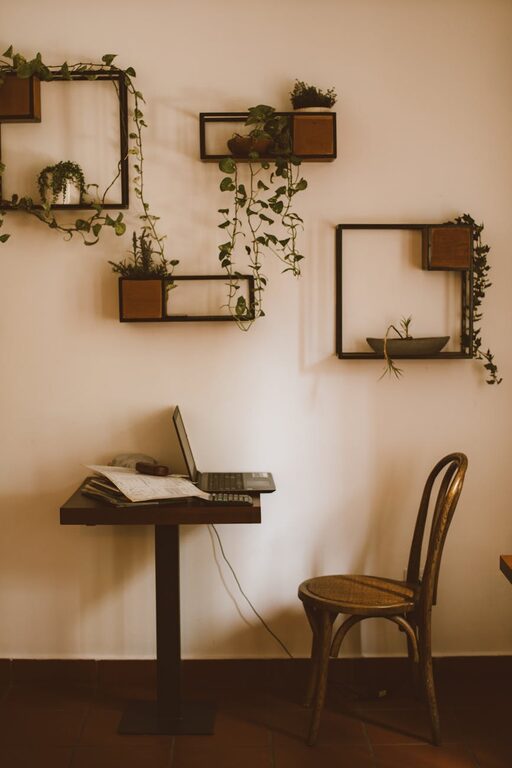
Adding personal touches makes your office feel more welcoming and uniquely yours. Consider adding artwork, photos, or inspirational quotes that motivate you. Plants are a great way to bring life and color into your office; they also improve air quality and can reduce stress.
Use decorative storage boxes or stylish organizers to keep supplies tidy while enhancing the room’s look.
5. Keep Your Workspace Organized
A cluttered desk can cause distractions and reduce your productivity. Use organizers, trays, and shelves to keep papers, pens, and gadgets in order. Having designated spots for everything makes it easier to find tools when you need them and maintain a clean space.
Try to clear your desk at the end of each day to prepare for a fresh start tomorrow.
6. Incorporate Calming Colors and Textures
Color influences mood, so choose soothing tones like soft blues, greens, or neutrals for walls and accessories. These colors help create a peaceful environment conducive to concentration.
Textiles such as a plush rug, cushions on your chair, or cozy curtains add warmth and texture to the room. They also help absorb sound, creating a quieter, more comfortable space.
7. Manage Technology Efficiently
Ensure that your equipment is set up to support efficient work without creating a mess. Use cable organizers or clips to keep cords under control and out of sight. Invest in quality headphones or a microphone if you attend frequent video calls.
Regularly update your software and clean your devices to keep everything running smoothly.
8. Add Elements for Relaxation and Breaks
Taking breaks is essential for maintaining productivity and well-being. Include a small corner with a comfortable chair or ottoman where you can step away and recharge. Add calming elements such as a small water fountain, a diffuser with essential oils, or ambient background music to create a relaxing atmosphere.
9. Maintain Good Air Quality and Temperature
Fresh air and a pleasant room temperature contribute to comfort and focus. If possible, open windows regularly for ventilation. Use an air purifier to remove dust and allergens. Make sure your thermostat is set to a temperature that helps you stay alert without feeling chilly or overheated.
Conclusion
Creating a cozy and inviting home office is about balancing comfort, functionality, and personal style. Start with a good location, equip yourself with ergonomic furniture, and enrich the space with soft lighting, calming colors, and personal touches. Stay organized and manage your technology for a smooth workflow. Don’t forget to include areas for relaxation and keep your air quality and temperature comfortable.
With these thoughtful steps, your home office will become a pleasant place where you look forward to working every day. Happy decorating!