
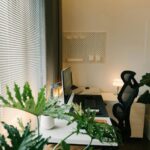






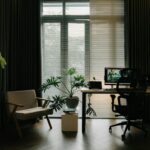
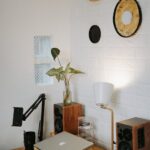
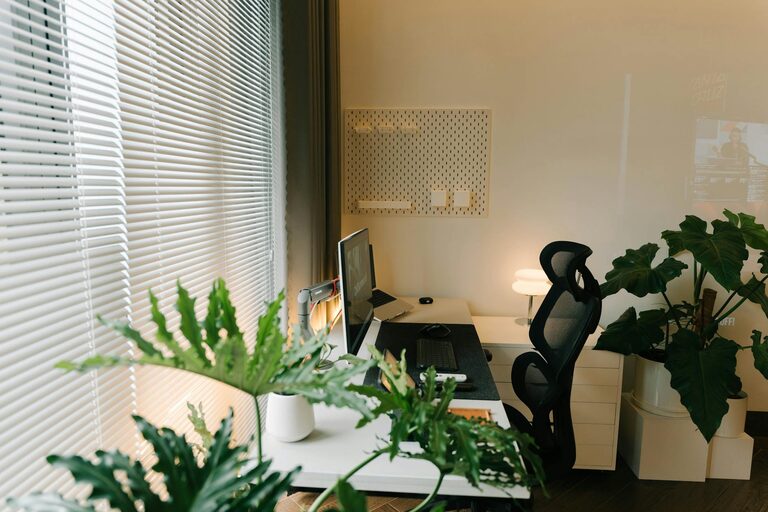
Creating a home office that feels both cozy and productive is essential for anyone working remotely or running a business from home. A well-designed workspace can boost your motivation, reduce stress, and improve your overall efficiency. Here are some practical tips to help you craft a home office that supports your work while making you feel comfortable and inspired.
Choose the Right Location
Selecting the right spot for your home office is the first and one of the most important decisions. Ideally, it should be a quiet space away from daily household distractions.
– Natural light: Choose a room or corner with plenty of natural light. Sunlight helps regulate your mood and energy levels.
– Minimize noise: If possible, use a room with a door you can close to reduce noise interruptions.
– Separate from living spaces: Try to avoid working in high-traffic areas such as the kitchen or living room to help maintain focus.
Invest in Comfortable Furniture
Comfort is crucial for long hours spent at a desk. Your choice of furniture can affect your posture, comfort, and energy.
– Ergonomic chair: A supportive chair with adjustable height and good lumbar support will keep you comfortable.
– Desk height: Make sure your desk allows your arms to rest at a 90-degree angle when typing.
– Consider standing desks: These can help alternate your posture and reduce sitting-related fatigue.
Optimize Lighting
Proper lighting reduces eye strain and creates a welcoming atmosphere.
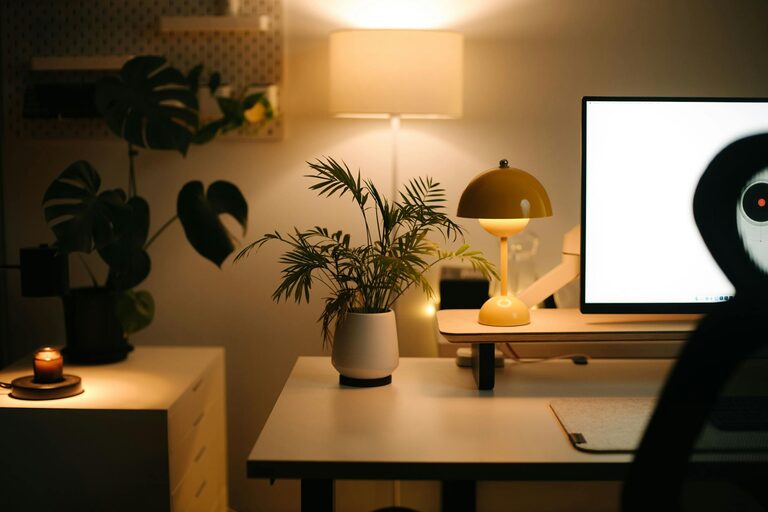
– Use multiple light sources: Combine overhead lighting with task lighting such as desk lamps.
– Avoid glare: Position your monitor perpendicular to windows to reduce glare on your screen.
– Warm light tones: Warm, soft light can enhance coziness without sacrificing focus.
Organize Your Space Efficiently
A cluttered workspace can hinder productivity and cause stress. Keeping your desk and office area tidy will promote clarity.
– Declutter regularly: Remove items you don’t use daily.
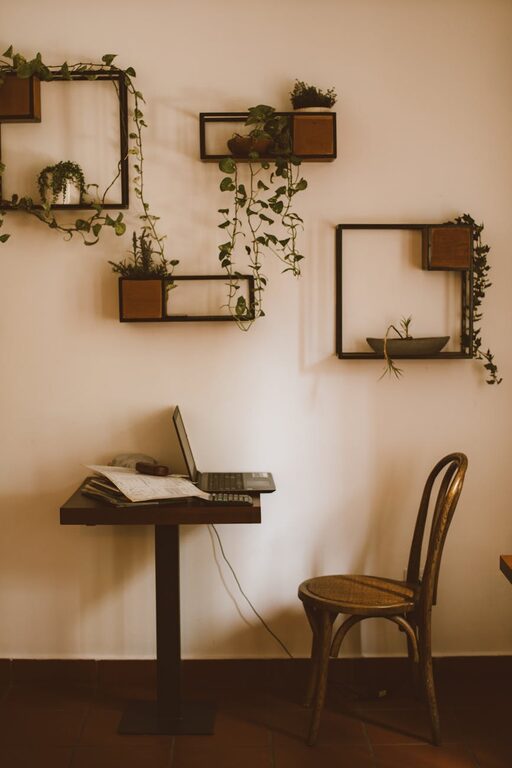
– Use storage solutions: Shelves, drawers, and organizers keep your supplies in order.
– Cable management: Use clips or holders to keep cords neat and prevent tangling.
Personalize Your Environment
Adding personal touches makes your workspace inviting and motivating.
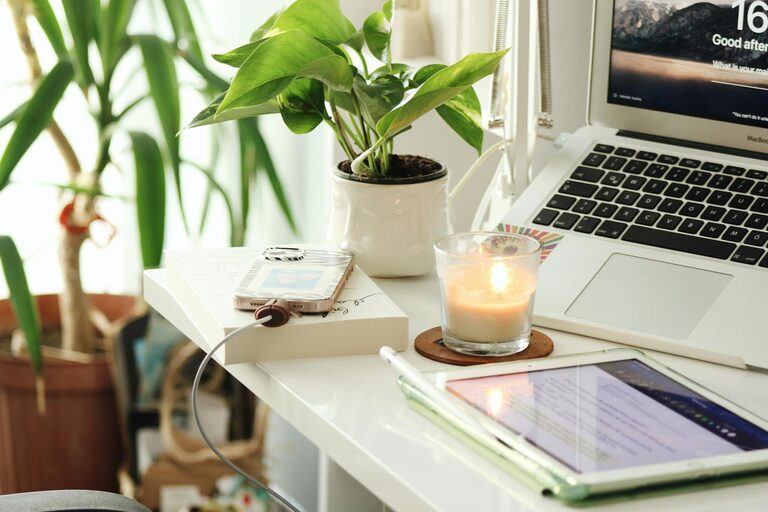
– Plants: Greenery adds life and helps purify the air.
– Artwork or photos: Decorate your walls with inspiring or calming images.
– Comfort items: A cozy throw blanket or a soft rug can make the space feel homier.
Control Temperature and Air Quality
Comfort involves more than just furniture; it’s also about the environment.
– Ventilation: Open windows when possible to let fresh air circulate.
– Temperature control: Use fans, heaters, or air conditioning to maintain a comfortable temperature.
– Air purifiers: Consider using them if air quality is a concern, especially in smaller rooms.
Establish a Routine and Boundaries
A cozy and productive office isn’t just about physical space; your habits matter too.
– Set working hours: Define start and end times to separate work and personal life.
– Take breaks: Short breaks improve concentration and prevent burnout.
– Limit distractions: Silence phone notifications and use apps that block distracting websites when needed.
Incorporate Technology Wisely
Efficient technology can enhance your productivity and comfort.
– Reliable internet: Make sure your connection is stable for video calls and online tasks.
– Quality equipment: Invest in a good keyboard, mouse, and monitor.
– Headphones: Noise-canceling headphones can help keep focus in noisy environments.
Maintain Your Workspace
Keeping your office clean and organized over time is key to sustaining productivity.
– Daily tidying: Spend a few minutes at the end of each day putting things away.
– Review and adjust: Regularly evaluate your setup to see what works and what could improve.
– Upgrade as needed: Replace worn-out furniture or outdated technology to maintain comfort and efficiency.
—
Creating a cozy and productive home office is about balance. By combining functionality with comfort, you can design a workspace that supports your best work and feels like a place you enjoy spending time in. Whether you have a dedicated room or just a small corner, small changes can make a big difference in your daily work experience.