









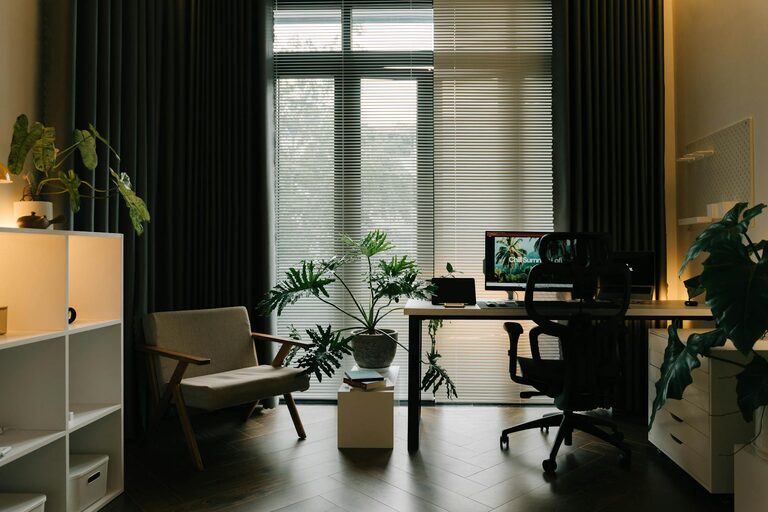
Creating a home office that balances coziness and functionality can significantly improve your work experience. Whether you’re working remotely full time or occasionally need a quiet space, a well-designed office helps maintain focus and comfort throughout your day. Here are some practical tips to help you craft a workspace that feels inviting and supports your productivity.
Choose the Right Location
Consider Natural Light
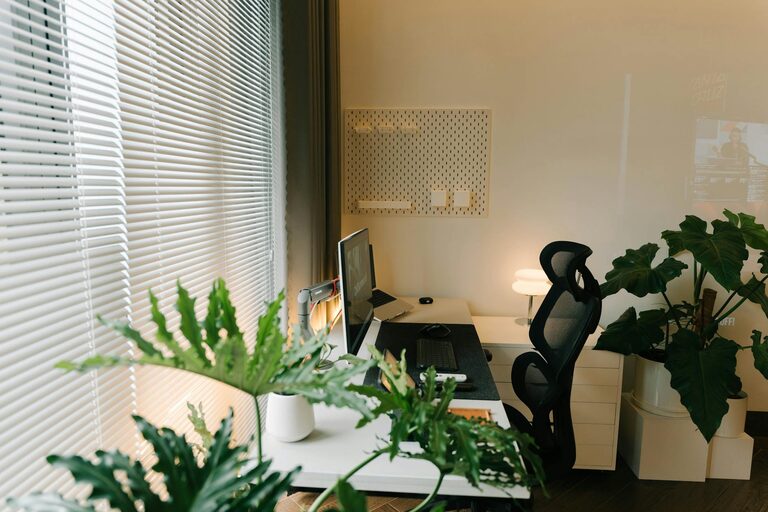
Select a spot with plenty of natural light. Sunlight boosts mood and energy while reducing eye strain. Position your desk near a window if possible. If natural light is limited, invest in good quality lighting that mimics daylight.
Minimize Distractions
Pick a quiet corner or a room where interruptions are minimal. If you live with others, communicate your work hours clearly to ensure privacy and focus. Avoid placing your workspace near noisy appliances or busy areas in the house.
Prioritize Ergonomics
Invest in a Comfortable Chair
Your chair should support your back, promote good posture, and be adjustable to your height. Sitting comfortably reduces fatigue and the risk of pain during long hours of work.
Set Up Your Desk Properly
Choose a desk with enough surface area for your computer, documents, and other essentials. Make sure your monitor is at eye level to avoid neck strain. Keep frequently used items within easy reach.
Organize for Efficiency
Use Storage Solutions
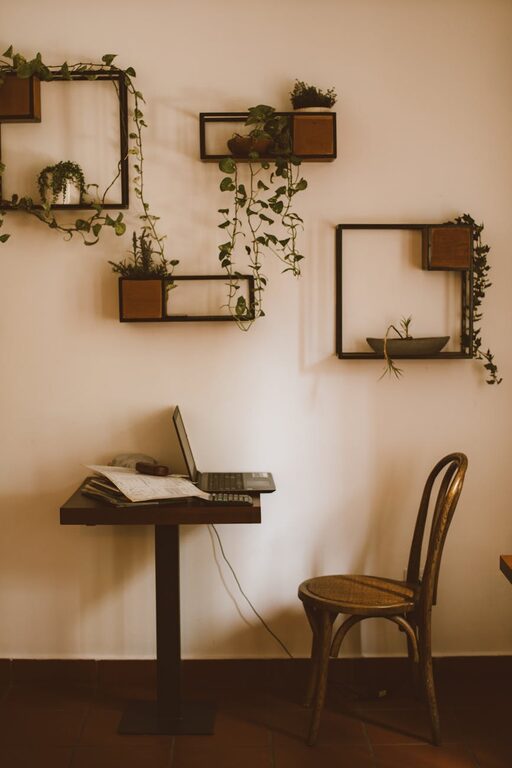
Declutter your desk by incorporating shelves, drawers, or filing cabinets. Organizers help keep stationery, papers, and gadgets tidy, which reduces stress and saves time searching for items.
Digital Organization
Create folders on your computer for work files and back up important data regularly. Minimizing digital clutter complements your physical workspace and makes workflow smoother.
Add Cozy Touches
Personalize Your Space
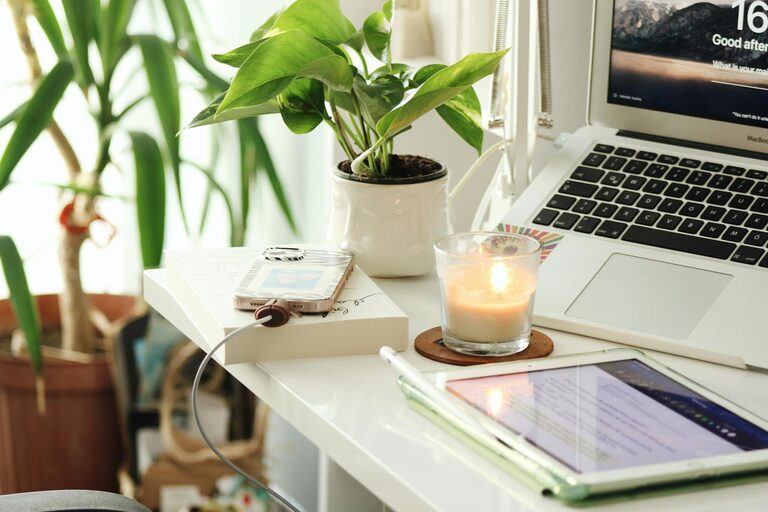
Decorate with items that inspire and calm you, such as plants, artwork, or photos. A touch of greenery not only brightens the room but also improves air quality.
Choose Soft Textures
Incorporate cushions, rugs, or blankets to soften the space. These elements make your office inviting and comfortable, especially during long working hours.
Control Temperature and Ventilation
Ensure the room’s temperature is comfortable year-round. Good ventilation or a small fan can improve air circulation and keep you alert.
Enhance Focus and Wellbeing
Set Boundaries
Define your work area clearly to separate professional and personal time. Avoid working in bed or on the couch to maintain a healthy routine.
Take Breaks and Move
Incorporate short breaks to stretch or walk around. A standing desk or adjustable workstation can also encourage movement and reduce sedentary fatigue.
Manage Noise
If external noise is a problem, try noise-cancelling headphones or soft background music like instrumental tunes. Silence can improve concentration, but a bit of ambient sound can also be soothing.
Lighting and Technology
Layer Your Lighting
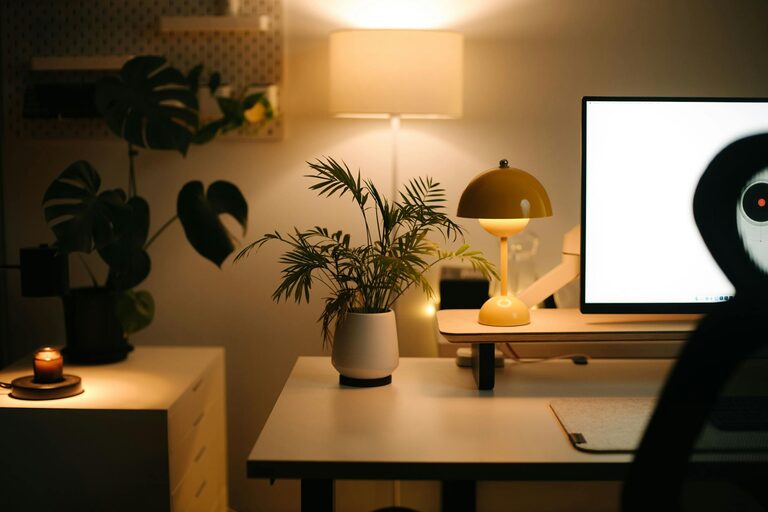
Combine ambient, task, and accent lighting to avoid eye strain and improve the room’s atmosphere. A desk lamp with adjustable brightness is a great addition.
Equip Your Workspace
Ensure your internet connection is reliable, and arrange cords neatly to avoid hazards. Invest in technology that supports your work style, such as a second monitor or ergonomic keyboard.
Conclusion
Creating a cozy and functional home office is about blending comfort with practicality. By carefully selecting your workspace, organising efficiently, and adding personal touches, you can build an environment that helps you stay productive and feels good to spend time in. Remember that small changes can make a big difference—so start with one or two improvements and adjust your office as your needs evolve. Your ideal home office is within reach and can greatly enhance your daily work routine.